
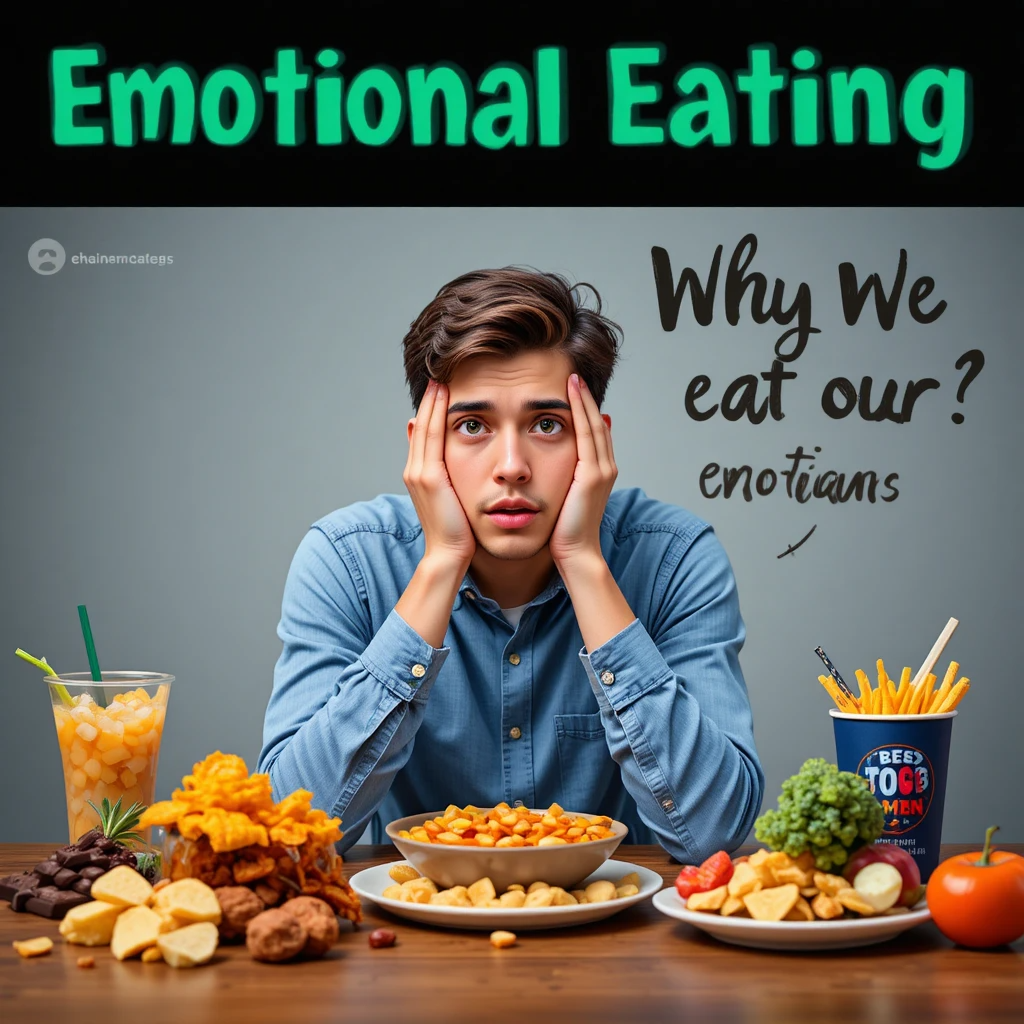
How to Avoid Emotional Eating: Emotional eating is a common issue that affects people of all ages and lifestyles.
It refers to eating food in response to emotions rather than actual physical hunger.
Many individuals turn to food to cope with stress, sadness, boredom, anxiety, or loneliness.
Although food may provide temporary comfort, emotional eating often results in overeating,
weight gain, and an unhealthy relationship with food.
This article explains the psychology behind emotional eating, its major causes and triggers,
and practical strategies to help regain control over eating habits.
What Is Emotional Eating?
Emotional eating occurs when food is used as a coping mechanism instead of dealing with emotions directly.
People experiencing emotional hunger usually crave high-calorie, sugary, or fatty foods
that offer short-term pleasure rather than nourishment.
Unlike physical hunger, emotional hunger appears suddenly, feels intense,
and is focused on specific comfort foods.
Common Signs of Emotional Eating
- Eating when you are not physically hungry
- Craving comfort foods such as sweets, chips, or fast food
- Eating due to stress, boredom, loneliness, or anxiety
- Feeling guilty or regretful after eating
- Snacking out of habit, such as while watching TV
Physical hunger builds gradually and can be satisfied with many foods,
while emotional hunger is sudden and emotionally driven.
Causes and Triggers of Emotional Eating
1. Stress and Anxiety
Stress is one of the leading causes of emotional eating.
High stress levels increase cortisol, a hormone that triggers cravings for sugary and fatty foods.
People often seek comfort food when dealing with work pressure or personal problems.
2. Boredom and Loneliness
Eating due to boredom or loneliness is very common.
Food becomes a source of entertainment or emotional distraction,
even when the body does not need energy.
3. Childhood Habits and Conditioning
Emotional eating patterns often begin in childhood.
If food was used as a reward or comfort, the brain learns to associate eating with emotional relief,
and these habits may continue into adulthood.
4. Fatigue and Lack of Sleep
Lack of sleep disrupts hunger hormones by increasing ghrelin and decreasing leptin.
This imbalance increases cravings and reduces self-control,
making emotional eating harder to resist.
5. Negative Self-Image
Low self-esteem and poor body image can lead individuals to use food
as a way to cope with negative emotions, creating a cycle of overeating and guilt.
How to Avoid Emotional Eating
1. Identify Emotional Triggers
Tracking eating habits and emotions can help identify patterns.
Keeping a food and mood journal allows you to distinguish emotional hunger from physical hunger.
2. Practice Mindful Eating
Mindful eating involves eating slowly, avoiding distractions,
and paying attention to hunger and fullness cues.
This helps reduce mindless overeating.
3. Replace Food with Healthy Coping Strategies
Instead of turning to food, try healthier alternatives such as exercise,
meditation, hobbies, or social interaction to manage emotions.
4. Differentiate Emotional and Physical Hunger
Before eating, pause and ask yourself if you are truly hungry.
Waiting a few minutes can help emotional cravings pass naturally.
5. Eat Balanced Meals
Eating protein-rich, fiber-filled, and nutritious meals keeps blood sugar stable
and reduces emotional cravings.
6. Manage Stress Effectively
Regular exercise, relaxation techniques, and self-care practices
help lower stress and reduce emotional eating urges.
7. Get Enough Sleep
Quality sleep supports emotional balance and appetite control.
Aim for seven to nine hours of sleep each night.
8. Be Kind to Yourself
Overcoming emotional eating takes time.
Avoid guilt, focus on progress, and seek professional support if needed.
Conclusion
Emotional eating is a complex but manageable behavior.
By recognizing triggers, practicing mindful eating, managing stress,
and nourishing the body properly, it is possible to develop a healthier relationship with food.
Long-term success comes from addressing emotional needs directly
instead of using food as a temporary solution.
With patience and consistency, emotional eating can be controlled,
allowing food to serve its true purpose—nourishment, not emotional comfort.